Why Does Scotland Get 2 January Off?
Many people across the UK wonder why does Scotland gets 2 January off while England, Wales, and Northern Ireland return to work after New Year’s Day. The reason lies in Scotland’s unique cultural traditions, history, and the importance of extended New Year celebrations.
The Reason of Why Does Scotland Get 2 January Off?
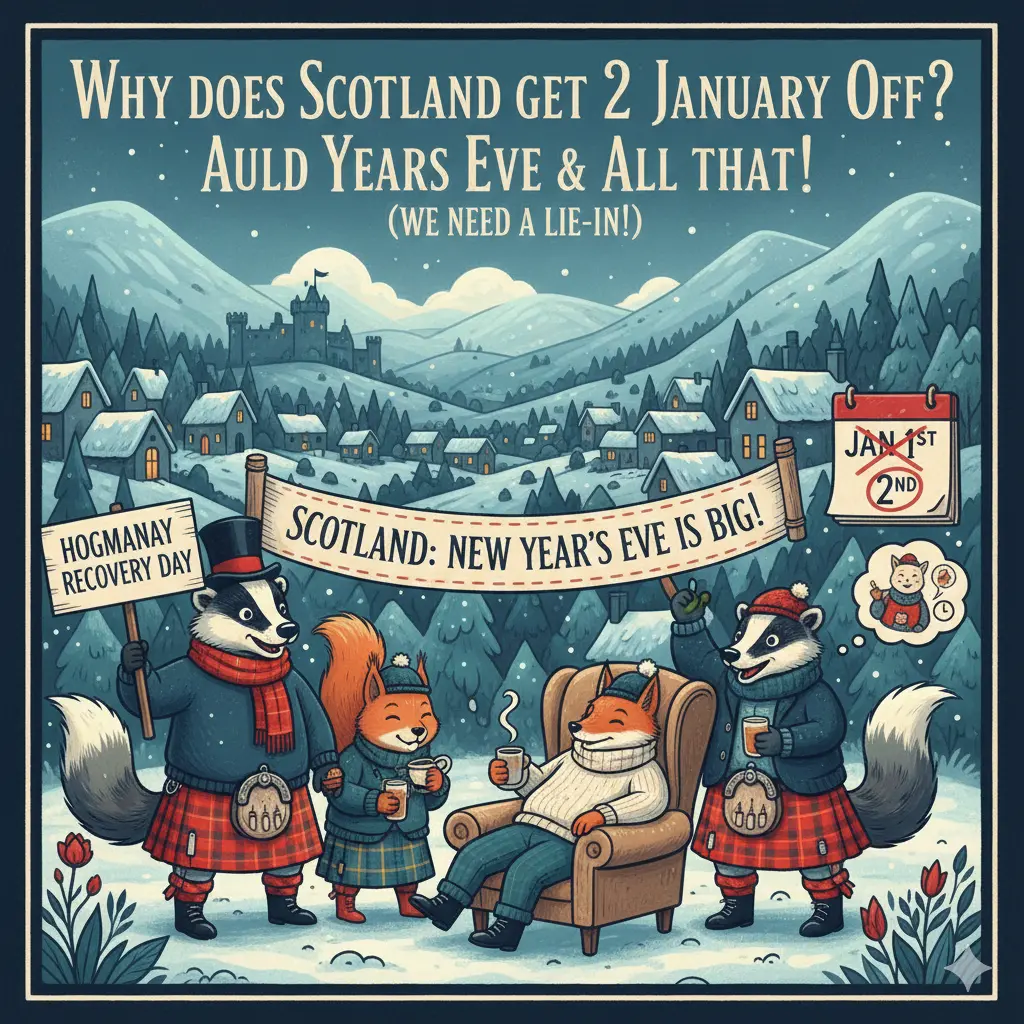
In Scotland, New Year (Hogmanay) is traditionally more significant than Christmas. For centuries, Scots placed greater emphasis on New Year gatherings, community celebrations, and visiting family and friends. Because celebrations often continue late into the night on 1 January, 2 January became an additional day of rest.
Official Public Holiday Status
2 January is an official bank holiday in Scotland only.
It is recognised by the Scottish Government and observed by banks, public offices, and many employers. The rest of the UK does not observe this date as a public holiday.
Practical Reasons for the Extra Day Off
The extra holiday allows people to:
- Recover from extended Hogmanay celebrations
- Travel home safely after New Year events
- Return to work refreshed rather than exhausted
This makes the transition back to normal routines smoother across Scotland.
Historical and Cultural Roots
Historically, Christmas was not widely celebrated in Scotland until the mid-20th century. As a result, New Year holidays were extended instead, and the 2 January holiday became part of Scotland’s working calendar.
Is 2 January Always a Holiday in Scotland?
Yes, 2 January is a bank holiday every year in Scotland.
If it falls on a weekend, a substitute weekday is usually observed.
Why the Rest of the UK Doesn’t Get It
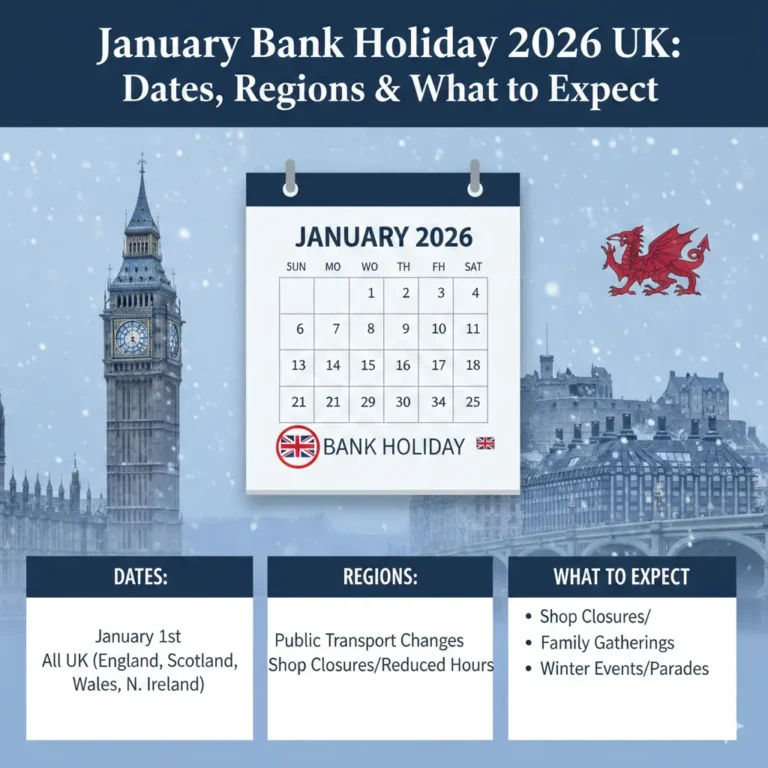
England, Wales, and Northern Ireland place greater emphasis on Christmas holidays, so only 1 January is observed as the New Year bank holiday in those regions.
Key Takeaway
Scotland gets 2 January off because of its strong Hogmanay traditions, historical focus on New Year rather than Christmas, and the practical need for an extended holiday. It remains a unique and culturally significant part of Scotland’s public holiday calendar.
Frequently Asked Questions
Why Does Scotland Get 2 January Off?
Related UK Bank Holiday Guides
To plan your time off more effectively, you may also find these guides useful:
[Bank Holidays and Observances]
Explores the holiday calendar of previous and upcoming holidays in all regions.
[UK Bank Holidays 2026 – Full List & Calendar]
Helps you see all public holidays across England, Scotland, Wales, and Northern Ireland in one place.
[January Bank Holiday 2026 UK: Dates & Regional Differences]
Explains how January bank holidays vary across the UK and who gets extra days off.
[Is Today a Bank Holiday in the UK?]
A quick checker to confirm whether today is a public holiday in your region.
[Scotland Bank Holidays Explained]
A detailed guide covering Scottish-only holidays like 2 January and St Andrew’s Day.